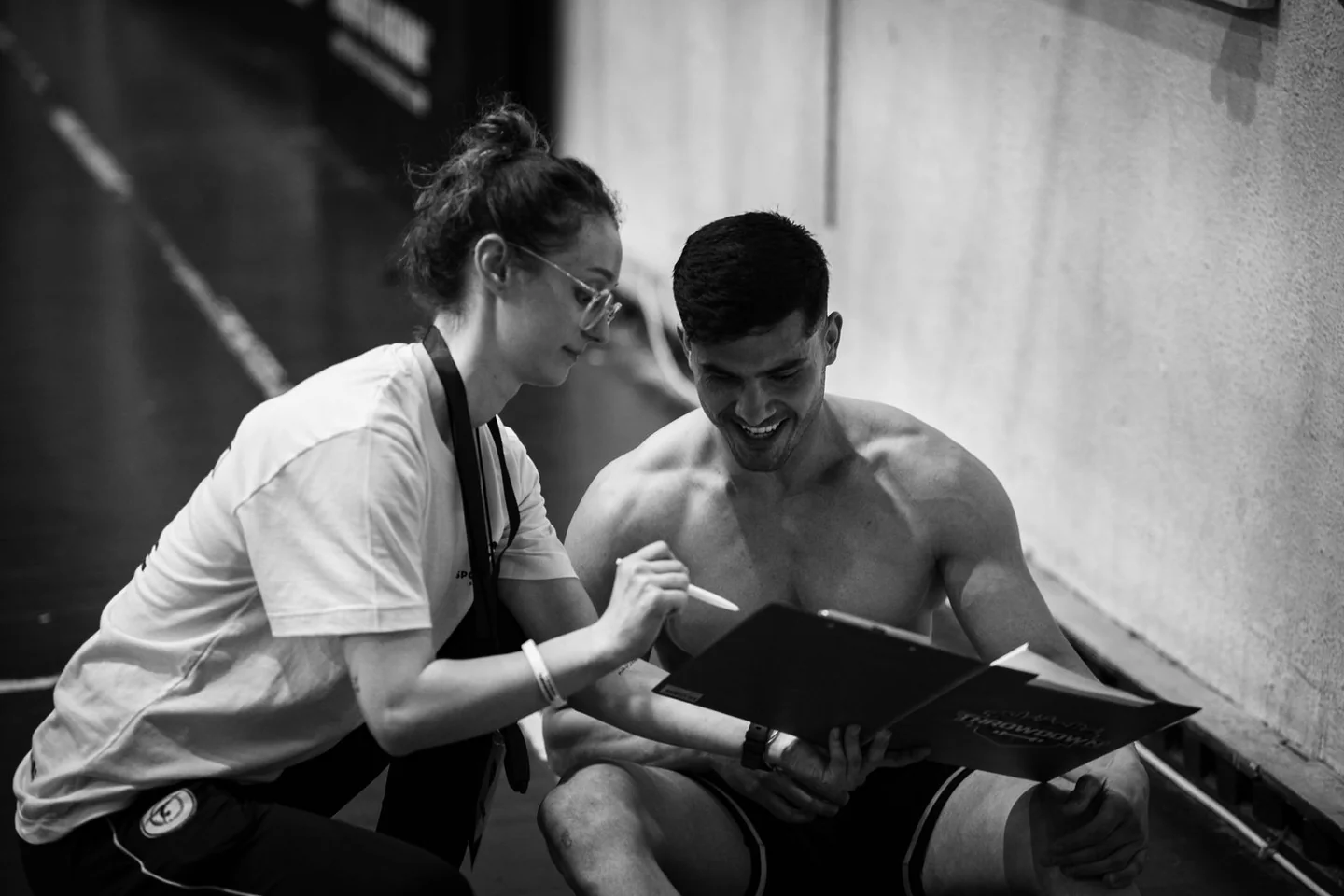
Think about how you learn a new task
Some people understand a movement after seeing a demonstration. Others need a slower verbal explanation or one instruction at a time. You may not know your preference until you try. Tell a prospective trainer what has helped you learn other physical skills, while remaining open to discovering a different approach here.
Ask how they usually introduce unfamiliar equipment. Do they demonstrate, explain the purpose and then check what you understood? Can they change the explanation if the first version does not land? The useful issue is not whether they have a distinctive coaching style, but whether that style can respond to you.
A consultation can reveal this before a demanding session. Ask them to explain a simple piece of equipment or describe how a first appointment would work. Notice whether the answer is concrete or mostly motivational language. Energy and enthusiasm can be pleasant, but they do not replace information you can act on.
Pay attention to the feedback
Feedback should help you know what to do next. A specific instruction about the task is easier to use than repeated comments that something is 'wrong' or 'better'. If several corrections arrive together, ask which one to focus on first. A trainer who can prioritise helps keep the learning manageable.
You can ask for less talking during a task and more explanation between attempts, or the reverse if that suits you. Agree on the timing rather than trying to filter a constant stream of instructions. Also discuss preferences around touch, filming and body-related comments; these are part of the teaching environment.
Judge understanding, not exhaustion
Do not judge the arrangement solely by how tired you feel afterwards. The question in an early teaching session is whether you understand more than you did at the start. Can you describe the setup? Do you know what to ask next? Those observations tell you something about communication that effort alone cannot.
Distinguish adjustment from incompatibility
A trainer may need one clear conversation to understand your preference. Give a specific example: 'When there are three cues together, I lose the first one. Could we work through them separately?' See whether the following session changes. A workable relationship can improve through ordinary feedback.
If questions are repeatedly dismissed or the style remains uncomfortable, you can choose someone else. That does not require proving the trainer is unsuitable for every client. A professional arrangement needs to work for the person paying for it. Keep notes on what did and did not help so the next consultation starts with more useful information.