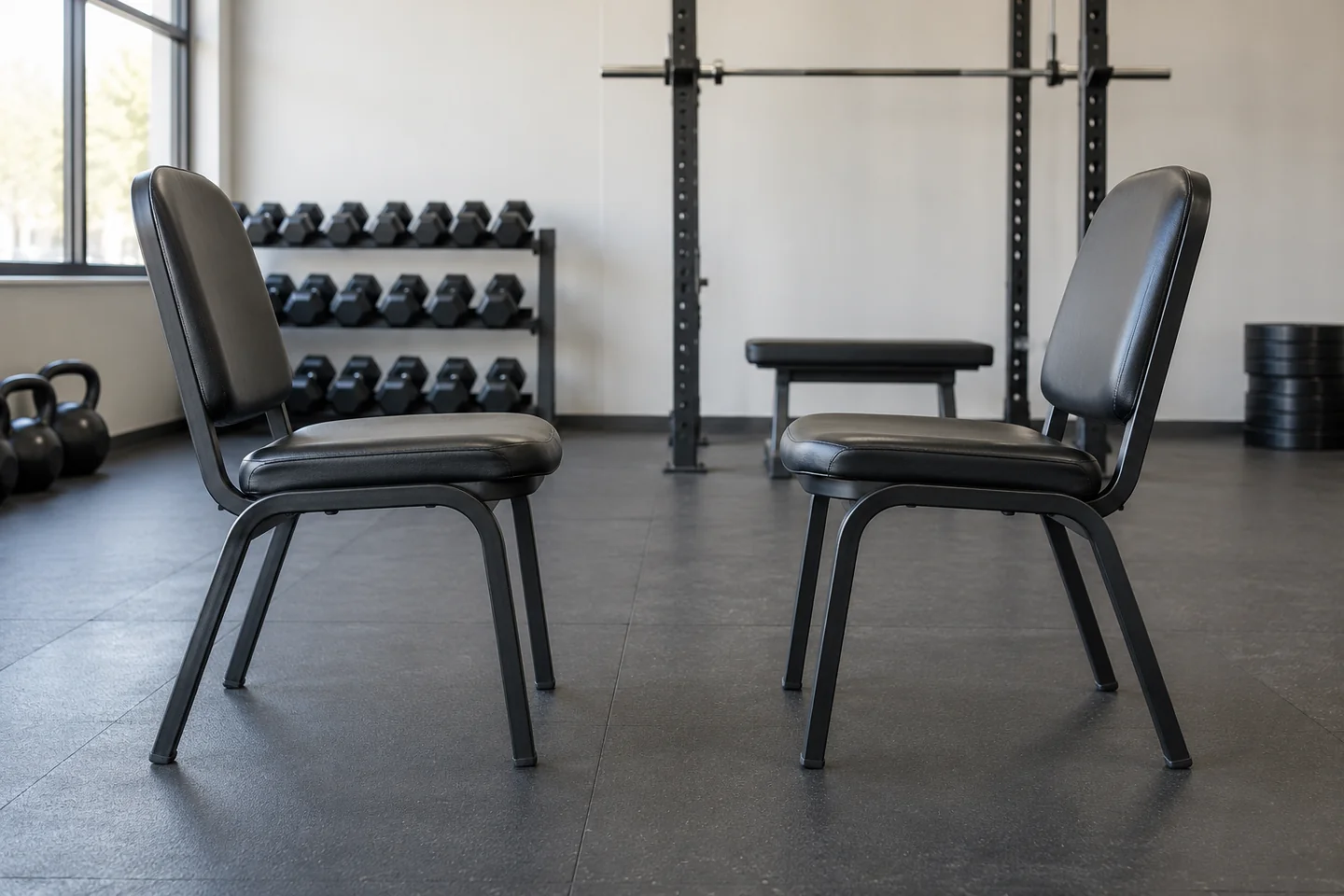
Make the preference explicit
A trainer may use a demonstration, a spoken cue or, with your agreement, touch to explain a movement. You do not have to accept all three. Say what you are comfortable with before the session starts: 'Please explain or demonstrate adjustments without touching me' is a complete and usable request.
If you are open to some hands-on instruction, ask the trainer to explain the purpose and seek permission each time. Agreement in one situation does not settle every later situation. You can say no to a particular cue or change your mind during the appointment without having to provide a personal history.
Be specific about alternatives that help you learn. You might prefer watching the trainer demonstrate, using a mirror where appropriate or having a phrase repeated more slowly. The conversation is about making instruction understandable while respecting your boundaries, rather than proving that one teaching method suits everyone.
A useful response takes the request seriously and finds another way to explain. If the trainer seems uncertain, pause and clarify what you mean. For example, an agreement about exercise cues may need to include how they assist with equipment setup. Do not leave an important distinction to assumption.
If a boundary is ignored, stop the interaction and move to a place where you feel comfortable. You can raise the issue with the facility or coaching provider and choose a different professional. You are not obliged to continue a paid session simply because it has already begun.
For an ongoing arrangement, ask that your preference be recorded in the way the provider manages client notes. Reconfirm it with a substitute trainer rather than assuming the message has reached them. Preferences can also change; a brief update is enough. The aim is a working agreement that remains clear each time instruction involves your personal space, not a one-off conversation that everyone is expected to remember indefinitely.