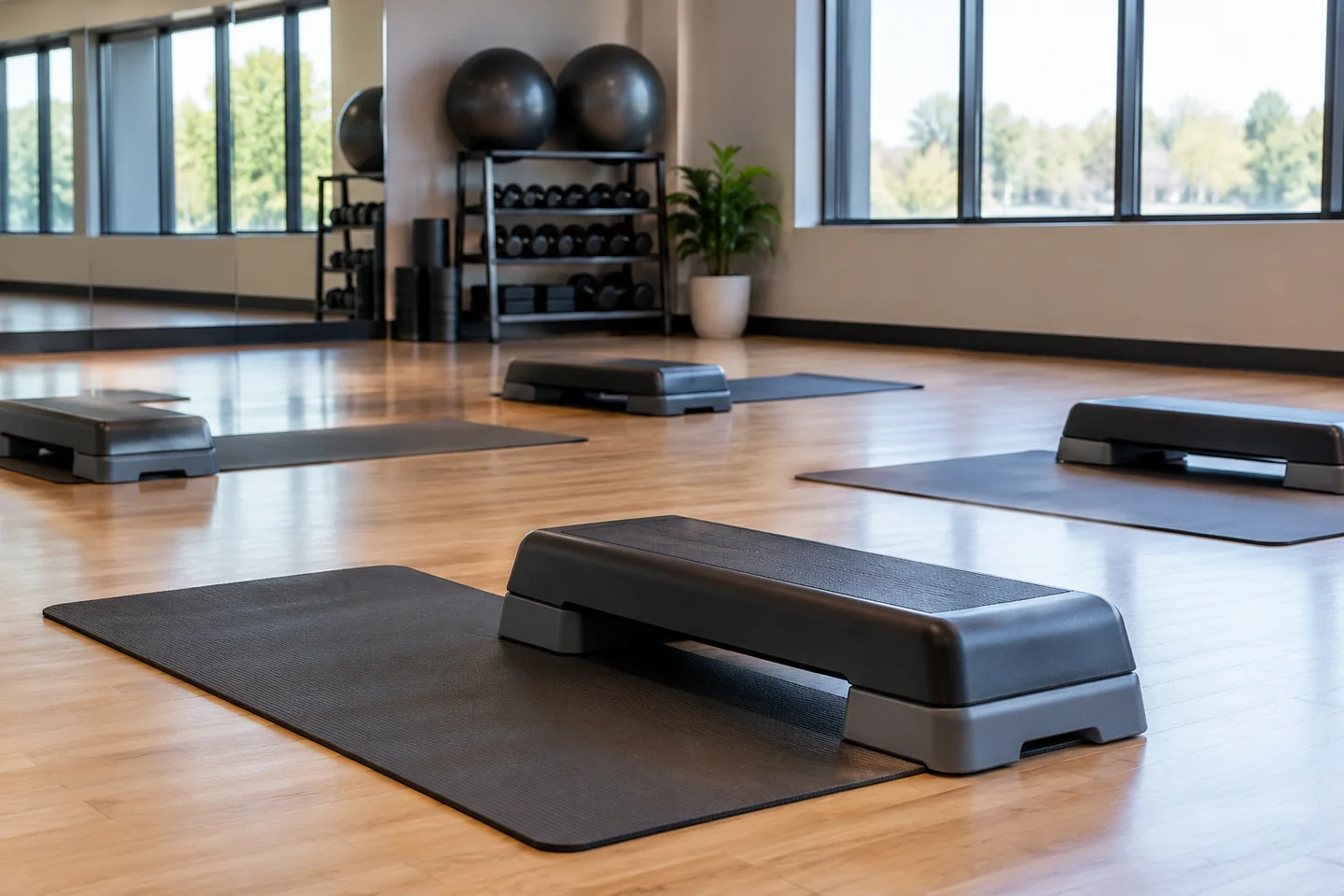
Read beyond the class name
Class names can be broad, branded or entirely local. Ask the facility what actually happens in the session: the equipment used, whether the group follows a fixed sequence and how much individual explanation is available. A name that sounds gentle or energetic is not enough information to judge whether the format suits your experience.
Check whether the class is intended for beginners or requires prior instruction. If it uses unfamiliar equipment, ask how newcomers learn the setup. Some sessions include time for this; others expect participants to arrive already familiar with the room. Finding out before booking prevents the opening minutes from becoming a race to copy everyone else.
Ask about access or communication needs specifically. For example, can the instructor explain where to stand so demonstrations are visible, or is there a quieter place to discuss a concern before class? The answer may depend on the room, equipment and number of people. A general statement that everyone is welcome does not replace those details.
Make the booking work
Read the arrival, cancellation and waiting-list arrangements. Confirm whether the class is included in your membership and how entry is checked. If a booking is needed, save the confirmation where you can find it. Do not assume that turning up early guarantees a place in a session that is already full.
Ask what to bring. A mat may be provided, but that is not universal; the same applies to towels and other equipment. Wear clothing suitable for the activity and the facility's rules. You can keep the first visit simple rather than purchasing accessories before knowing whether you like the format.
Allow enough time to change and find the studio. A large building may have several similar rooms. Arriving before the instructed check-in time lets you speak to the teacher without delaying the group. If you are late, follow the facility's policy rather than entering midway and trying to assemble equipment around moving participants.
If you join a waiting list, read how a place is confirmed and whether accepting it is automatic. Check your messages before travelling, especially when the class is popular. A cancelled place may become available close to the start, but you should not need to rush or ignore the required arrival time to use it. Choose another session if the timing no longer works.
Introduce yourself before the session
Tell the instructor it is your first visit to this class, even if you have attended something with a similar name elsewhere. Ask where they would like you to set up and how to request help. If there is relevant information they need, use the appropriate private conversation or screening process rather than shouting it across the room.
Ask how the instructor signals transitions and whether there are parts that require a separate explanation. You do not have to promise to keep pace with experienced members. A group session provides less individual attention than a one-to-one appointment, so understanding how support works is part of deciding whether the format is suitable.
Let the instructor demonstrate unfamiliar equipment and check your setup where the class requires it. Do not assume the person beside you has chosen the correct arrangement for you. Their equipment, experience and instructions may differ, and they are there to attend the class rather than supervise your first session.
Choose a permitted place with a clear view and enough space for the activity. Being at the back may feel discreet but can make demonstrations harder to see. Ask about position rather than automatically hiding behind the tallest person. Leave bags and unused objects in the designated area so they do not reduce the working space.
If you lose the sequence, pause and follow the instructor's guidance for rejoining. Trying to catch up by copying a fragment can add confusion. Ask for clarification when it is appropriate, and use the agreed way to signal if you need to stop. The class is not an audition, and matching another person's pace is not the purpose of your first introduction.
Afterwards, put away equipment as directed and ask one remaining question if the instructor has time. If it needs a longer explanation, arrange another opportunity rather than holding up the next group. Consider what you learned about the format: could you hear, see, understand and ask for help?
You may decide to return, try a different class or seek individual instruction first. Those are all reasonable outcomes of an introductory visit. Choosing the format that helps you learn is more useful than forcing a return simply because you booked one session and feel you ought to enjoy it.