Remove the ambiguity
An entry reading twelve looks clear immediately after a set. Two weeks later it might mean twelve kilograms in each hand, a twelve-kilogram total, twelve repetitions, or the twelfth setting on a machine. Put the unit beside the number and use a consistent place for repetitions.
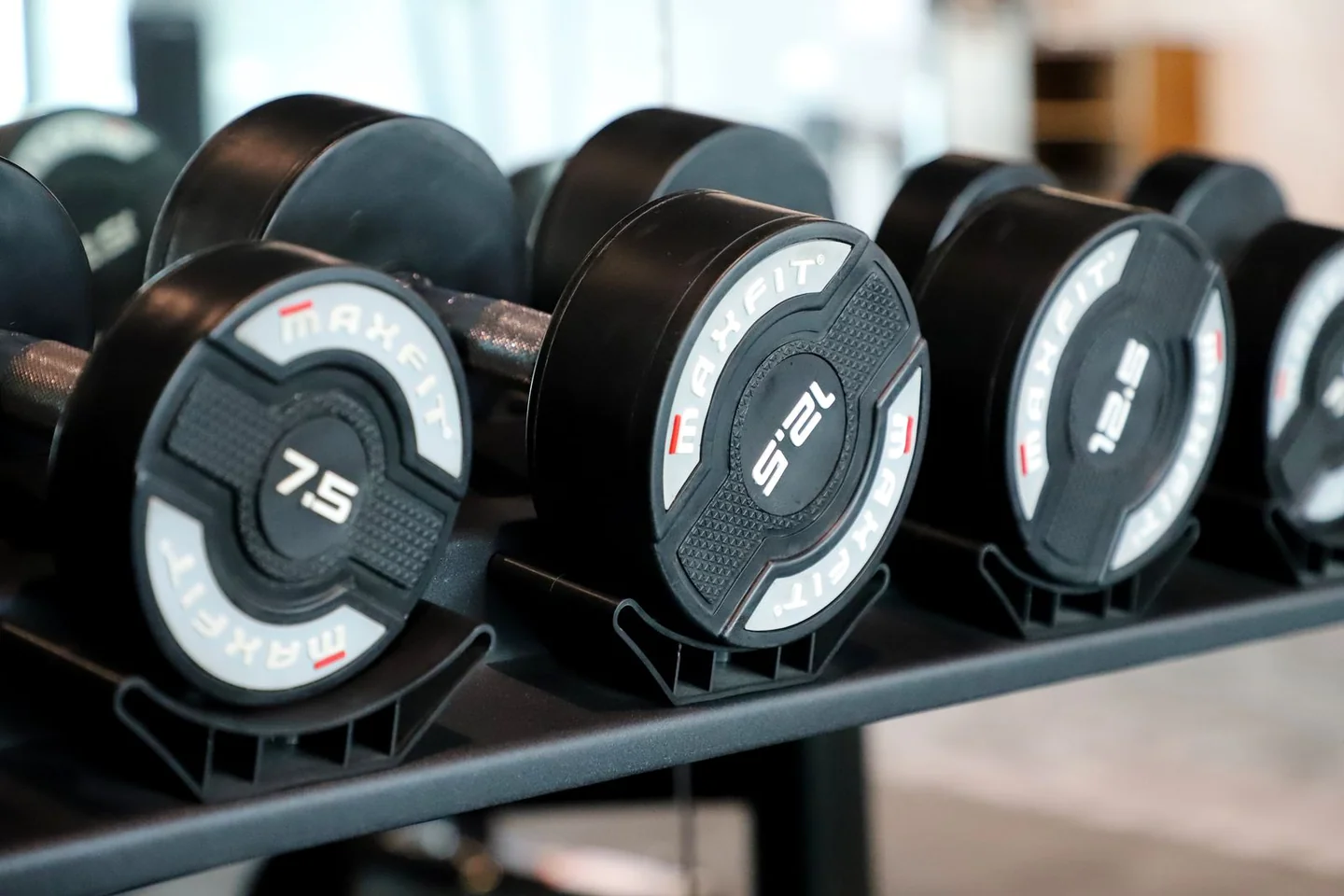
For dumbbells, noting the weight of each dumbbell is usually straightforward. Write that convention once at the top of the page. For a barbell, distinguish the total loaded weight from the plates alone. Ask staff if you do not know what the bar weighs; bars that look similar are not always identical.
An assisted machine needs another detail: the displayed weight may represent assistance rather than resistance. More assistance can make the movement easier. Label it as assistance so the direction of change remains understandable when you review the entry.
For a plate-loaded machine, note whether you are recording plates on each side or the total added. Follow one convention consistently. If a machine lists a starting resistance, distinguish that manufacturer information from the plates you added; do not quietly combine figures unless you understand what the total represents.
Keep the equipment identifiable
If the gym has two different leg-press machines, add a short description or the machine name. Numbers on different machines are not automatically comparable. The seat position and adjustment settings can also help you repeat the arrangement, provided those settings are appropriate for you.
Record a substitute separately. A cable row performed because another machine was occupied should not silently replace the old row record. Otherwise the next increase may be based on a number belonging to different equipment.
Avoid estimating a forgotten load with false precision. Mark it unknown, or record that it was an estimate. A gap is less misleading than a confident-looking number that was invented afterwards.
An example might read: seated dumbbell press, 6 kg each, 9 / 9 / 8 repetitions. This is a recording example, not a recommended load or session. The slashes separate completed sets; they do not describe a target range.
Whatever format you choose, keep it readable while standing beside the equipment. A complicated spreadsheet is not helping if you postpone every entry until the details have blurred together on the journey home.