Choose a surface that stays put
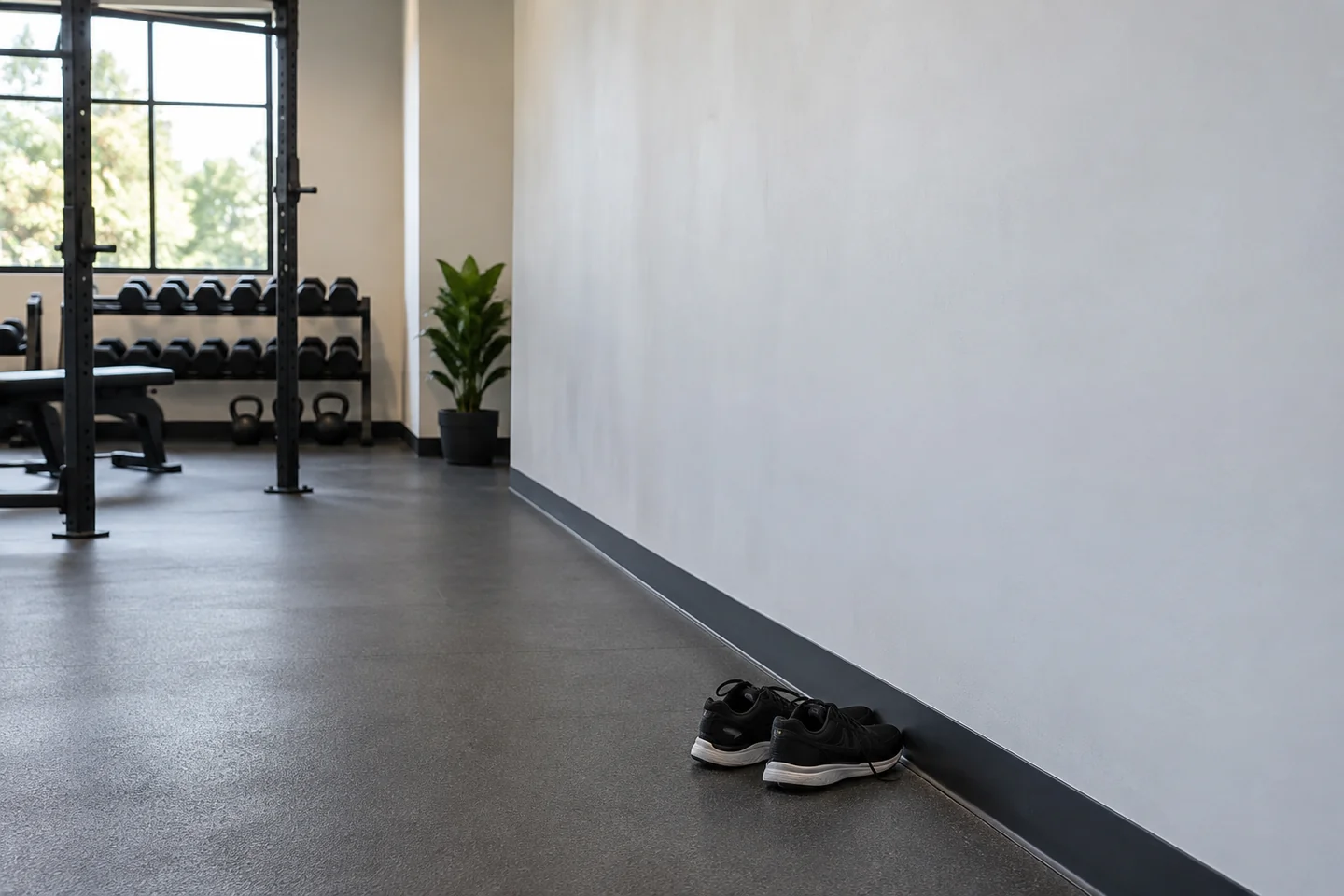
Use a solid wall with a dry, clear surface. Avoid glass, a loose partition or furniture that can move under pressure. Place your hands around chest height and at a comfortable width, then step back a little. Keep your feet on a surface where they will not slide. Socks on a polished floor may make the setup less predictable.
Bend the elbows to bring the body towards the wall, then press away under control. Keep the body moving as a unit rather than letting only the head reach forwards. A small range is enough for the first trial. There is no need to touch your face or chest to the wall to establish the movement.
If the exercise feels too difficult to control, move the feet closer and retry. If it is very easy and comfortable, a slightly greater distance can change the demand. Make that adjustment modestly; standing so far away that the heels slip or the lower back sags does not improve the practice.
Give the hands and elbows room
Hand placement can be adjusted for comfort. Avoid an extreme width or a position that sharply bends the wrists before you begin. Let the elbows bend in a natural, controlled path rather than forcing them directly sideways. If a wrist or shoulder hurts, stop and seek advice instead of assuming all discomfort will disappear with repetition.
The height matters too. Hands placed far above the shoulders create a different arrangement from hands around chest level. Set them deliberately before starting, especially if you are following a video filmed from an angle that makes the placement difficult to judge.
Watch for a small head-first habit: the chin reaches the wall while the rest of the body barely moves. Looking at a point ahead without jutting the neck can help. If you need a visual check, pause and review a side view between attempts rather than turning your head throughout the movement.
Keep the progression understandable
A wall version is a complete exercise choice, not merely a failed floor push-up. It can also be a place to practise before moving to a fixed elevated support. A lower support usually changes the demand considerably, so do not assume a comfortable wall set guarantees the same result on a low bench.
Keep a note of your approximate foot distance if you want to repeat the setup. You do not need millimetre precision, but moving much farther away each session makes comparison confusing. Finish by stepping towards the wall and relaxing the arms when the movement is complete, rather than letting the final repetition collapse forwards.