
Training at home
Check your resistance band before making room to train
A band takes up almost no storage space. Using it needs a little more thought: sound material, a clear floor and enough room for the whole movement.
Read article24 ARTICLES
Choose equipment and organise the space you have.
A band takes up almost no storage space. Using it needs a little more thought: sound material, a clear floor and enough room for the whole movement.
Read article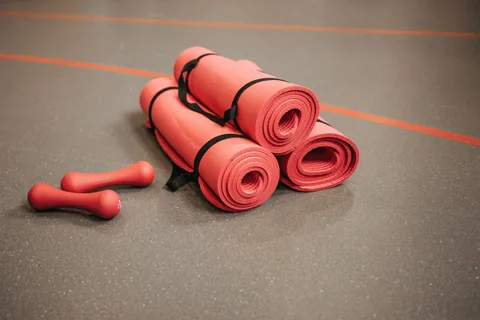
The thickest mat is not automatically the best match for home exercise. Think about what will touch it and what is underneath it.
Read article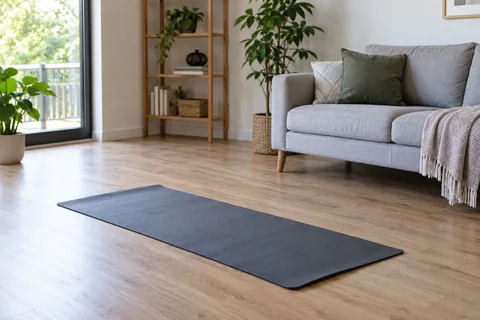
A mat marks a place to begin, but it rarely marks the full space an exercise uses. Test the movement before moving furniture back around it.
Read article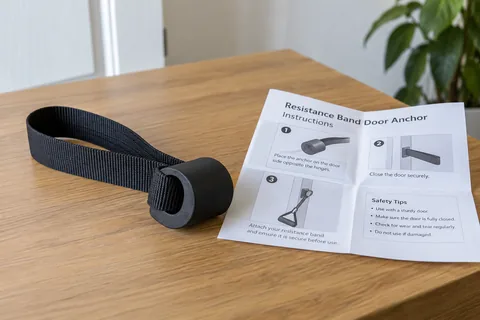
A resistance-band door anchor is a product with installation requirements. It is not permission to attach a band to whichever doorway is nearest.
Read article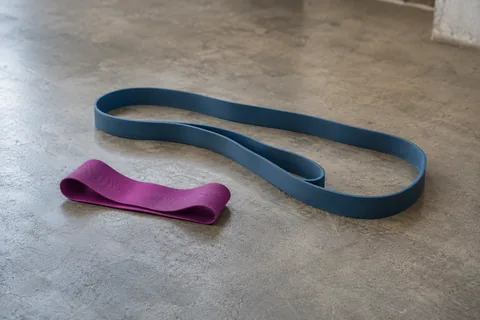
A small loop around the legs and a long loop held in the hands may both be called resistance bands. Their length and construction make them different tools.
Read article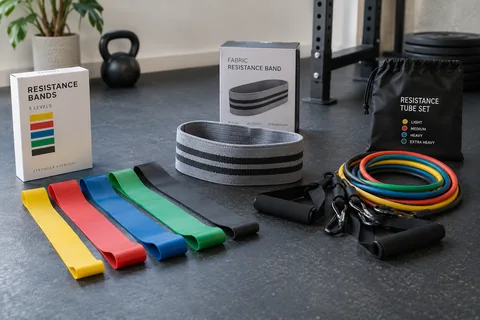
Green, blue and red are useful labels inside a particular product range. They are not a universal conversion chart for resistance bands.
Read article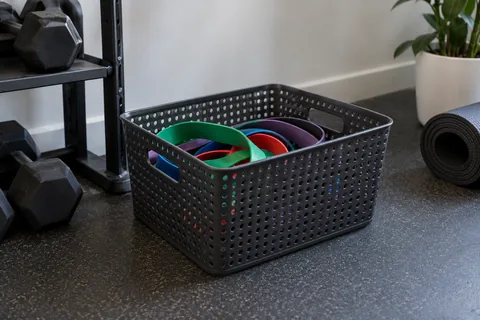
A resistance band is easy to tuck into any spare drawer. Give it a place that keeps it visible, dry and away from objects that can damage it.
Read article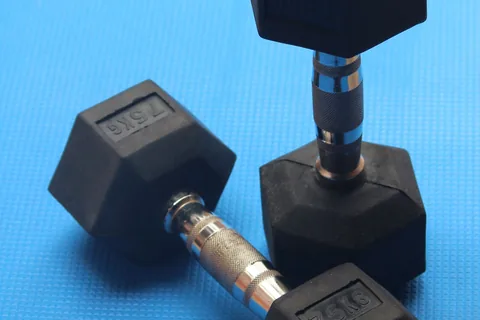
The first pair of home dumbbells should suit exercises you can already perform and a place where you can keep them. A large maximum weight is only one part of the purchase.
Read article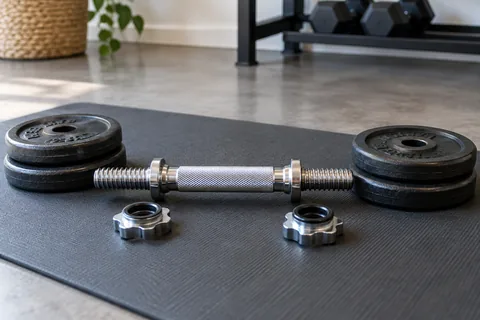
Adjustable dumbbells use different systems to retain their plates. Learn the checks for your model rather than relying on a generic shake test.
Read article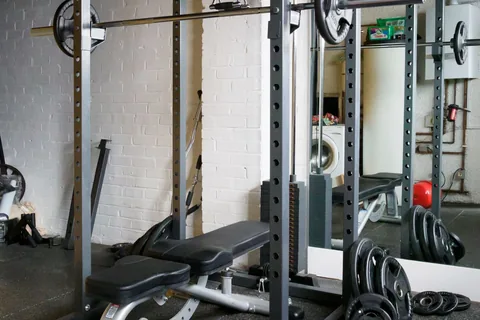
A bench's listed dimensions describe the bench. Your exercise also needs room for your feet, arms, weights and the route into position.
Read article